property
The Shared Equity Scheme Explained Step by Step: Columbus Rolls Out New Path for First-Home Buyers
A fresh financing model lets younger buyers own sooner by sharing ownership with the government-here's how it works in Central Ohio's hot market.
How we reported this
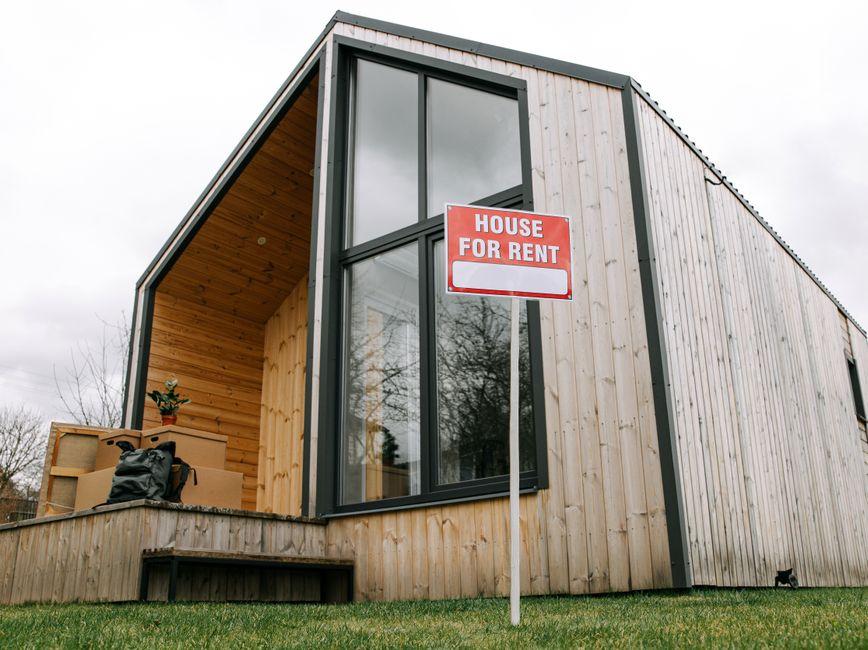
Columbus added a new tool to its first-home buyer arsenal this spring when the state housing finance agency launched a shared equity pilot program targeting residents in Franklin County. The mechanism works like this: a buyer puts down 5 percent, the government agency covers another 15 percent as a second mortgage with no monthly payment, and the buyer finances the remaining 80 percent conventionally. When the house sells, the state recovers its stake plus half of any appreciation.
The timing matters. The median home price in Columbus hit $385,000 in June, up 8 percent year-over-year, pricing out thousands of households that earn between $55,000 and $85,000 annually. First-time buyers in that income bracket have watched down-payment requirements and interest rates squeeze their window. The shared equity model reopens that door by cutting the cash needed upfront from $30,000 down to roughly $19,000 on a median-priced home.
The Columbus Housing Authority and the Mid-Ohio Regional Planning Commission have partnered to administer the program through participating lenders, with an initial allocation of $8 million for 200 loans. Applications opened June 15 through the agency's downtown office on East Town Street. So far, 67 applications have landed, and 31 have closed.
How the Mechanics Play Out
Here's the step-by-step breakdown. A buyer earning $70,000 and saving aggressively scrapes together $20,000. They find a home in Clintonville or the Hilliard area, neighborhoods where prices still sit $50,000 to $70,000 below the county median. They apply through a lender like Huntington Bank or Directions Credit Union, both of which signed on as program partners. The lender runs the standard underwriting for their 80 percent first mortgage. The state steps in with a silent second lien for the 15 percent equity stake.
Crucially, that second mortgage carries zero interest and requires no monthly payment. It sits quietly in the deed until the owner sells, refinances, or the loan term ends (typically 30 years). If the owner stays put and the house value climbs to $450,000, the state recovers its $57,750 investment plus half the $65,000 gain-an extra $32,500. The owner keeps the other half of appreciation and the ability to build equity faster than renting.
If prices decline, the owner owes what they borrowed, nothing more. The state absorbs the loss. That asymmetry is deliberate policy: the program prioritizes stability over profit.
Why Columbus Grabbed This Opportunity
The city's real estate market has accelerated since 2023 when downtown lofts near the Scioto Mile began commanding $400,000 to $550,000. Younger professionals in tech, healthcare, and education-drawn to jobs at companies like JPMorgan's Columbus tech hub and Ohio State University-found themselves priced out of neighborhoods like Worthington and Delaware. Schools matter, and the best attendance zones require entry prices that hit $350,000 routinely.
A Franklin County demographic study published in April showed that homeownership rates for workers aged 25 to 34 had fallen to 31 percent, down from 41 percent in 2010. Rental costs had climbed 34 percent in the same period. Without intervention, the study warned, Columbus risked becoming a city of transient renters and wealthy owner-occupants, hollowing out its middle class.
The shared equity scheme addresses that squeeze directly. A teacher earning $58,000 with $18,000 saved now qualifies for a $365,000 house in Upper Arlington's outer neighborhoods or along the Westerville School District. The monthly payment drops roughly $280 compared to conventional financing with a 20 percent down payment, because there's no second mortgage payment and the first mortgage is smaller.
The program caps household income at $95,000 for Franklin County and limits purchase prices to $425,000. Purchase price thresholds adjust annually for inflation. Buyers must occupy the home as their primary residence for at least five years.
Program officials aim to close 200 loans within 18 months. If demand holds, the agency plans to request additional state funding in 2027. For Columbus first-time buyers stuck between wanting homeownership and fearing they'll never save enough, the shared equity path finally offers a tangible route forward.
This article is general information only and is not personal financial or investment advice. Consider your own circumstances and seek licensed professional advice before making financial decisions.