news
Infrastructure Upgrades in Columbus: Direct Impact on Neighborhoods and Residents
From the Downtown Ramp Up to expanded transit and safety improvements, Columbus' 2026 infrastructure projects aim to tackle congestion, safety, and growth challenges affecting everyday life.
How we reported this
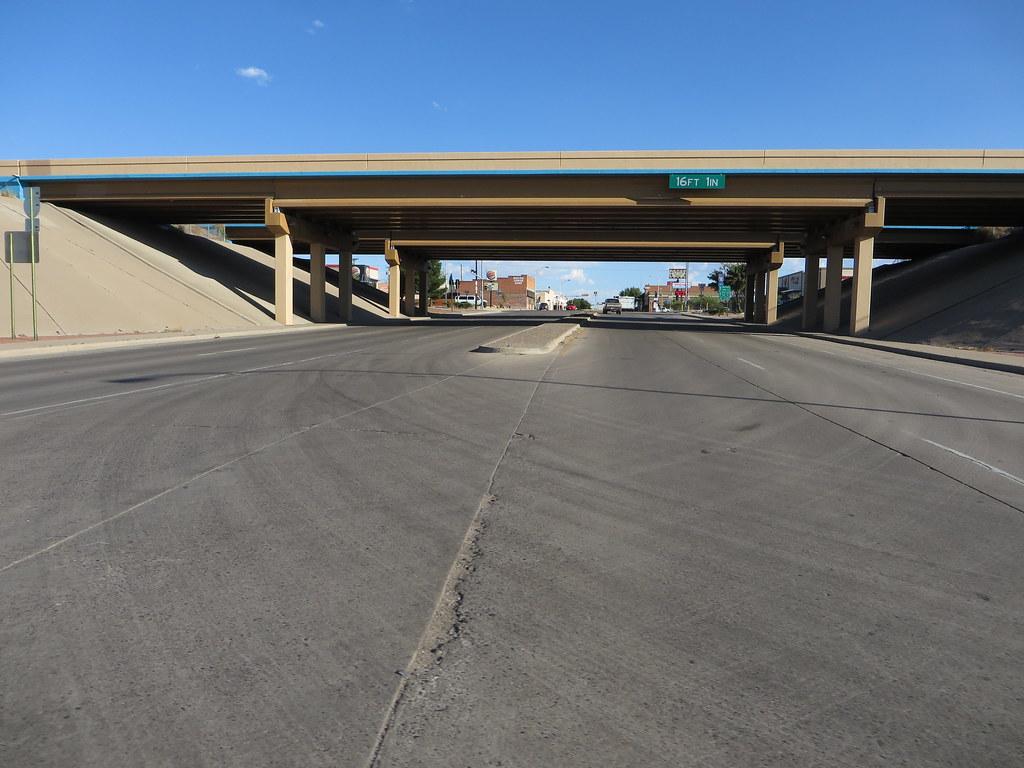
Columbus is in the midst of a sweeping transportation and infrastructure transformation with key projects designed to reshape how residents navigate and experience the city. The ongoing $1.4 billion Downtown Ramp Up project, rebuilding the I-70 and I-71 corridors, is set to extend through 2026, striving to reconnect neighborhoods fragmented by past interstate construction.
This matters now more than ever as Columbus continues to grow rapidly, facing both population increases and escalating traffic congestion. With the city’s lack of passenger rail or metro options-the largest U.S. city without these modes-residents rely heavily on roadways and bus transit. Efforts now aim to alleviate bottlenecks, improve safety, and provide more transportation choices to accommodate growth sustainably.
Major Projects Target Congestion and Safety
The Downtown Ramp Up managed by ODOT is among the most ambitious public works undertakings in central Ohio, with extensive road reconstruction and utilities upgrades planned for downtown streets like Front and Mound. According to ODOT, almost $3.4 billion are being invested statewide in nearly 1,000 projects in 2026, including this centerpiece effort, underscoring infrastructure modernization as a priority for the region's mobility and economic vitality.
Alongside highway work, Columbus City Council continues to support initiatives boosting pedestrian and bicycle safety. Ordinance 0133-2026 specifically appropriates funds for a 'Quick Build Toolkit' enabling fast-tracked, cost-effective improvements such as safer crosswalks and expanded bikeways. Complementing this is COTA’s LinkUS bus rapid transit program, which aims to increase service by 45%, with the East Side Line set for completion in 2029 and full construction by 2031. COTA currently operates 41 bus routes and serves around 19 million riders annually, making these enhancements pivotal for daily commuters.
Community Impacts and What Residents Should Expect
For Columbus residents, the ripple effects of these projects will be felt in reduced travel times, improved safety, and enhanced access to jobs and services. The lengthy closure of key routes, such as the Gantz Road bridge over I-270, has already demonstrated how infrastructure maintenance affects daily commutes and local business traffic.
Additionally, expanding bikeway networks and shared mobility options with partners like Spin and Veo-introduced in spring 2025 for electric scooters-signal Columbus’ intent to diversify transit choices beyond traditional vehicles. These efforts complement the city’s new land-use plan, formalized in January 2026 through the Columbus Growth Strategy, which guides future development mindful of transportation capacity and community connectivity.
Residents should prepare for phased construction impacts through to 2031, with some projects like the Downtown Ramp Up wrapping up sooner than major transit upgrades. Public transit users may encounter route alterations during bus rapid transit development. Council’s creation of a financial sustainability task force in early 2026 indicates continued focus on balancing investment costs with long-term benefits. Keeping abreast of official city and ODOT updates will help residents navigate changes smoothly.
Ultimately, these comprehensive infrastructure initiatives aim to enhance Columbus’ livability and resilience amid growth, making the city more accessible and safer for all. Though adjustments will be required during construction phases, the long-term community benefits in mobility and economic opportunity promise significant returns for local neighborhoods.