news
Central Ohio's Infrastructure in 2026: Navigating the Next Steps and Key Decisions Ahead
With $3.4 billion in ongoing projects, 2026 marks a pivotal year for Columbus-area infrastructure, but major timelines and community impacts still lie ahead.
How we reported this
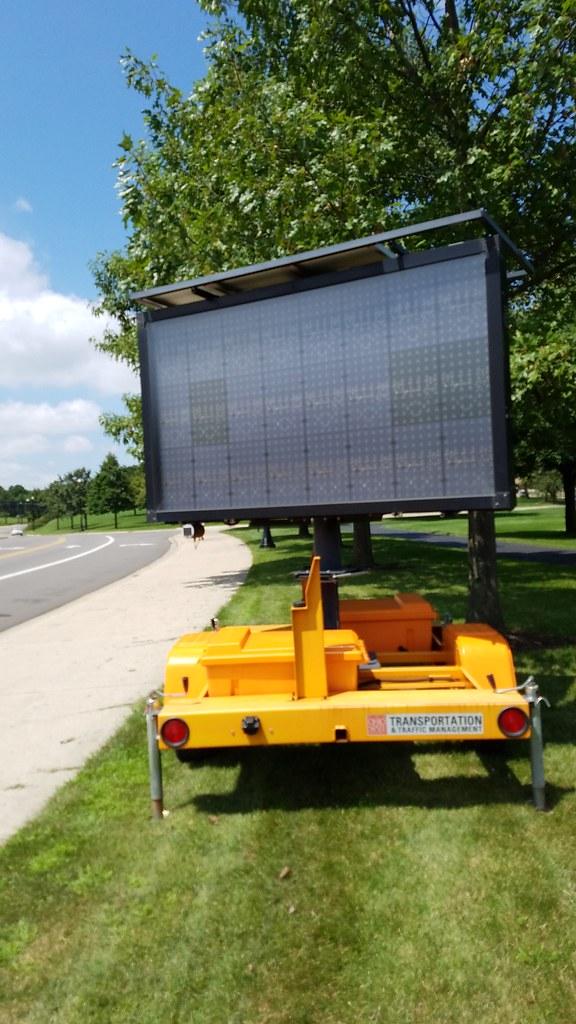
Central Ohio's infrastructure improvements are entering a critical phase this year, with the Ohio Department of Transportation (ODOT) driving nearly 1,000 projects at a $3.4 billion investment level. Among the largest undertakings, the $1.4 billion Downtown Ramp Up project focused on reconstructing I-70 and I-71 through downtown Columbus is scheduled to continue through at least the end of 2026. This effort aims to repair decades of community division caused by the highways’ original construction.
The surge in investment responds to long-standing calls from local leaders to modernize and reconnect areas fractured by mid-20th century freeway expansion. These efforts are occurring simultaneously with other key infrastructure upgrades, reflecting a broader effort to support sustainable growth amid rising demand for improved transit, healthcare, and commercial facilities in the Columbus region.
Rebuilding Connectivity and Urban Spaces
At the heart of the investment surge is the downtown interstate reconstruction that will reshape major arteries in Columbus's core. ODOT’s Downtown Ramp Up project focuses on the intersection of interstates I-70 and I-71, an area that has long divided neighborhoods and complicates traffic flow. The project, expected to continue construction activity through 2026, seeks to reconnect these communities and improve downtown street-level traffic patterns, including upgrades to Front Street and Mound Street where major road reconstruction and utility replacements are underway.
Beyond the highways, these surface street improvements represent a substantial element of ODOT’s 2026 portfolio, which covers nearly 1,000 projects across central Ohio. By improving utility infrastructure alongside roadways, the program aims to ensure long-term reliability and support future development in downtown Columbus and its surrounding neighborhoods.
Supporting Economic and Healthcare Infrastructure
While roadway projects dominate the near-term agenda, other infrastructure components are shaping Columbus’s future. Ohio State University’s new University Hospital, set to open in 2026 with 120 public rooms, will add a major healthcare resource in the city. This facility is expected to enhance medical care capacity significantly, complementing infrastructure efforts to support population growth.
On a larger economic scale, Intel’s New Alby's campus in Franklin County marks a transformative moment for the region’s job market and industrial base. However, construction of the first module has been pushed to 2030, with operations projected to begin between 2030 and 2031. This delay contrasts with the urgency of urban infrastructure upgrades but indicates the scale and complexity involved in such massive industrial projects.
Looking toward transportation beyond roads and hospitals, John Glenn International Airport is undergoing a major expansion with the CMH Next terminal. This new terminal is slated for completion in 2029, promising a significant increase in passenger capacity and national connectivity. Until then, incremental infrastructure investments align with accommodating future airport traffic growth.
What Comes Next for Columbus Infrastructure?
As 2026 unfolds, the key decisions facing Columbus and ODOT will revolve around meeting construction deadlines and ensuring that these projects deliver intended community benefits. For the I-70 and I-71 rebuild, the priority will be maintaining construction momentum to complete the reconnecting ramps, while minimizing disruption to downtown traffic and businesses.
Simultaneously, city planners and transportation agencies will need to integrate these physical upgrades with broader land use strategies. The recently adopted Columbus Growth Strategy sets a framework for development but requires ongoing investment in pedestrian and bicycle facilities, safety improvements, and transit enhancements that complement the major highway and utility undertakings.
Practical considerations include managing budgets prudently as nearly 1,000 projects unfold across central Ohio and seeking public engagement on neighborhood impacts. Coordinating infrastructure timelines with economic initiatives-such as Intel’s campus build and hospital expansion-will also be crucial in maximizing benefits.
Residents and businesses should expect construction-related disruptions on key corridors like Front Street and Mound Street through 2026, but ultimately a more connected and resilient urban core. Looking further ahead, it will be important for policymakers to sustain funding commitments while adapting plans in response to evolving community needs and economic realities.