news
Columbus Confronts Global Crises Through Community Action and Steady Leadership
As international crises reverberate worldwide, Columbus manages local impacts through steady community efforts and pragmatic governance.
How we reported this
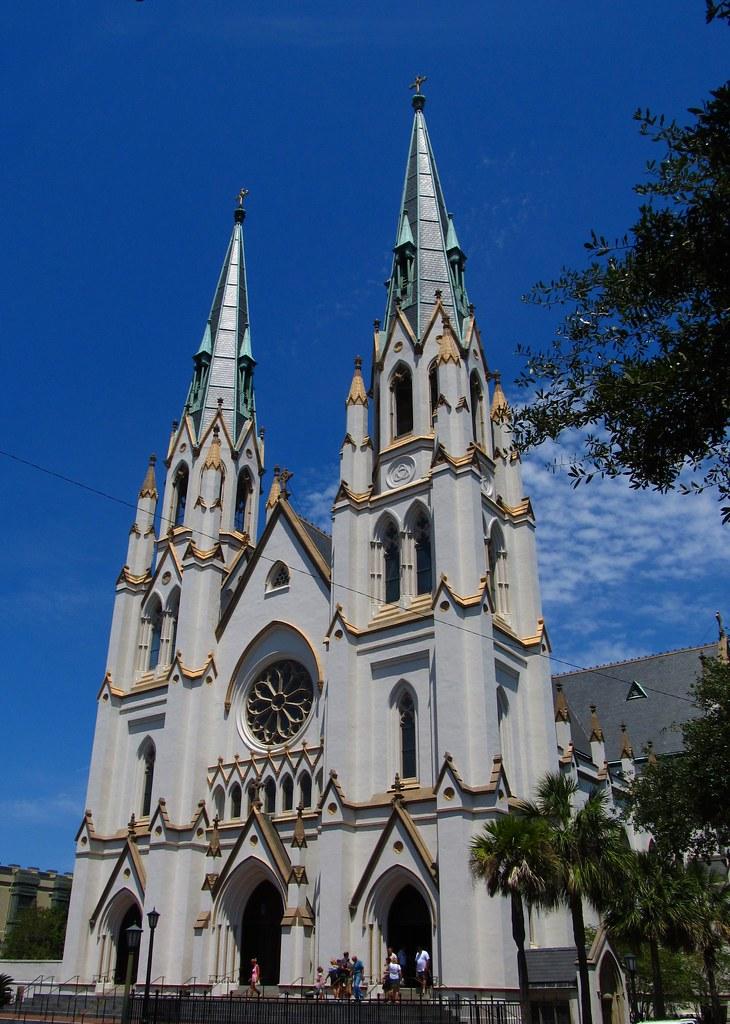
Columbus continues to navigate the prevailing global uncertainty by maintaining steady growth and community support, differentiating itself from many other cities wrestling with escalating crises. While international tensions and natural disasters dominate headlines, this city’s local strategies emphasize resilience and practical care for its residents.
Steadfast Local Response in a Turbulent Global Environment
In a world shaken by geopolitical conflicts, including U.S.-Iran strikes and mass evacuations triggered by typhoons, Columbus remains focused on local well-being. The city leverages its urban planning and community programs to buffer residents from external shocks. Although global headlines chronicle events like the evacuation of nearly two million people in China due to typhoon landfall or wildfires displacing thousands in Spain’s Almeria province, Columbus’s priorities lean toward steady city services and neighborhood-level engagement.
City planners and social organizations in Columbus have quietly reinforced infrastructures and support systems, mindful of global disruptions such as the ongoing U.S.-Iran tensions impacting supply chains and commodity markets. This prudent approach contrasts with the reactive measures seen in more volatile urban centers globally.
Community and Governance: Anchors Amid Broader Crises
The Columbus community benefits from steady municipal governance focusing on incremental improvements in housing, transportation, and social services. While large-scale international crises unfold-such as the ongoing conflict in the Strait of Hormuz or the surge of hardliner influence in Iran-the city’s efforts remain visibly grounded.
Neighborhood associations and community groups continue their outreach programs, particularly in areas vulnerable to economic shifts. This localized focus allows Columbus to maintain a relatively stable social fabric, even as global events cause upheavals elsewhere. Such steady governance promotes confidence among residents and mitigates the volatility seen in similar-sized cities abroad.
Though the city lacks recent dramatic shifts in population or economic indicators directly linked to global events, its qualitative resilience stands out. Columbus is not immune to global pressures, but its measured responses highlight a contrasting approach to crisis management-one marked by consistency, careful resource allocation, and citizen engagement rather than headline-grabbing emergency responses.
While the world watches international flashpoints and natural disasters escalate, Columbus quietly demonstrates that stable, community-oriented governance remains essential. By continuing to monitor global developments and adjusting local policies responsibly, Columbus aims to safeguard its residents’ quality of life without resorting to reactive panic.
Looking ahead, residents should keep informed through municipal communications and participate in neighborhood meetings to support local initiatives. City officials suggest that maintaining community cohesion and flexible resource management will be key to weathering ongoing uncertainties. This measured path reflects Columbus’s focus on sustaining steady progress amid a turbulent global backdrop.